What Apopka Homeowners Should Know Before Pouring Concrete in Florida
Learn how Florida heat, rain, drainage, permits, and maintenance affect concrete driveways, patios, and walkways in Apopka. Get expert tips from local contractors.
3/13/20265 min read
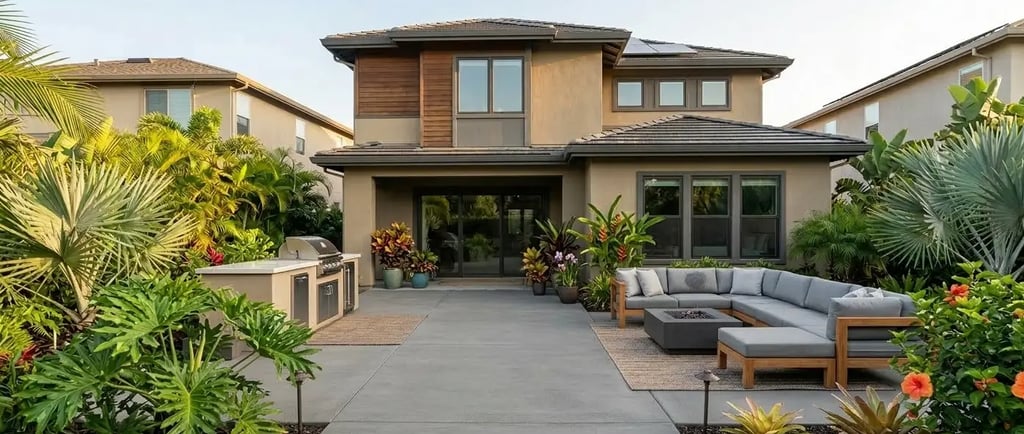
Concrete is one of the smartest upgrades you can make to your property. A well-built driveway, patio, walkway, or slab adds function, improves curb appeal, and can serve your home for decades. But in Central Florida, good concrete work is not just about pouring and finishing. It is about planning for heat, heavy rain, drainage, curing, and local code requirements from day one. Orlando’s long-term climate normals show warm conditions year-round, and Orange County notes that a permit is required when pouring a driveway, walkway, or concrete pad.
For homeowners in Apopka, that means choosing a contractor who understands local conditions and knows how to build concrete that holds up in real Florida weather.
Why Florida Conditions Matter for Concrete
Concrete is durable, but it performs best when the installation matches the environment. In hot weather, concrete can lose moisture too quickly, which may increase water demand, speed up setting time, and raise the risk of shrinkage cracking if the crew does not use the right methods. Industry guidance from the American Cement Association and NRMCA recommends proper curing, moisture retention, shading, and other hot-weather practices to protect strength and finish quality.
That matters in Apopka because homeowners are not building for mild, predictable conditions. They are building for:
strong sun and high surface temperatures
frequent summer rain
moisture-sensitive subgrades
daily use from vehicles and foot traffic
When your contractor plans around those factors, your concrete has a much better chance of staying smooth, level, and attractive over time.
1. Not Every Concrete Project Starts With the Same Base
One of the biggest reasons concrete fails early is poor site preparation. Homeowners often focus on the visible top layer, but the real long-term performance starts underneath.
A proper base helps support the slab, improve drainage, and reduce movement that can lead to cracking or uneven surfaces. This is especially important for:
driveways that carry vehicle weight
patios built near landscape beds or downspouts
walkways that need consistent elevation and drainage
repair projects where underlying issues may still be active
If your existing slab is settling, pooling water, or cracking repeatedly, it may be smarter to explore concrete repair and resurfacing first instead of covering up a deeper problem.
2. Heat Changes the Way Concrete Should Be Poured
Hot-weather concreting is a real concern in Florida. According to NRMCA and ACI guidance, high ambient temperatures, low humidity, wind, and solar radiation can speed up moisture loss and setting, which makes finishing more difficult and can affect long-term durability if the pour is not managed correctly.
That is why experienced contractors often adjust their process by:
scheduling pours during cooler parts of the day
preparing the site in advance so placement is not delayed
using curing methods that prevent moisture loss
reducing heat buildup in materials where needed
The American Cement Association also notes that curing can include sprinkling, fogging, moisture-retaining coverings, plastic sheeting, or curing compounds to help prevent evaporation.
For homeowners, the takeaway is simple: good concrete is not rushed concrete.
3. Rain Is Not Just an Installation-Day Problem
Most homeowners worry about rain during the pour, but water management matters long after the project is finished. In Central Florida, drainage can make or break a slab.
Poor runoff planning can lead to:
standing water on patios
erosion along slab edges
soil softening beneath concrete
slippery surfaces and faster wear
water moving toward the house instead of away from it
This is one reason patio and walkway design should never be treated as an afterthought. If you are planning a backyard upgrade, a properly graded concrete patio installation should be designed for both comfort and water movement.
4. Permits Are Easy to Overlook, but They Matter
Many homeowners are surprised to learn that concrete work may require permitting. Orange County states that for a driveway, walkway, or concrete pad, a permit is required when pouring concrete or placing pavers, with required inspections tied to compliance and safety.
That matters because permits can affect:
project scope
setbacks and placement
inspections
resale documentation
code compliance
A reliable local contractor should be able to explain whether your project needs a permit and help you avoid costly mistakes before work begins.
5. The Best Concrete Option Depends on How You Use the Space
There is no single “best” concrete surface for every property. The right solution depends on traffic, design goals, maintenance preferences, and budget.
Here is a simple way to think about it:
Driveways
A driveway needs strength, thickness, and proper support to handle daily vehicle traffic. If your current surface is worn or undersized, a new concrete driveway installation may be the better long-term investment.
Patios
Patios should balance durability with comfort and appearance. Homeowners often want a surface that is easy to clean, attractive, and suited for outdoor living.
Walkways
Walkways and sidewalks should prioritize safety, smooth transitions, and drainage. For entry paths and side yards, concrete sidewalk and walkway installation can improve both usability and curb appeal.
Decorative Concrete
If appearance is a major goal, stamped concrete services can give you the look of stone, brick, or tile with the strength of concrete.
6. Maintenance Starts Earlier Than Most People Think
Many homeowners assume maintenance starts years later, but concrete care begins soon after installation. Proper curing is part of that process, and long-term upkeep helps preserve appearance and performance.
A few smart maintenance habits include:
keeping the surface clean
addressing small cracks early
protecting joints and edges
resealing decorative surfaces when needed
watching for drainage issues around the slab
That is especially important in Florida, where sun, moisture, and organic debris can slowly wear down an otherwise solid surface. Even a high-quality slab benefits from periodic inspection and timely repairs.
7. Repair Is Sometimes Better Than Replacement
Not every damaged slab needs to be torn out. If the concrete is structurally sound overall, repair or resurfacing may restore the look and function at a lower cost than full replacement.
This can be a good option for:
surface discoloration
minor cracking
flaking or worn finishes
aging patios or walkways
concrete that looks outdated but still has a stable base
If the slab has major settling, repeated movement, or serious structural damage, replacement may still be the better choice. A trustworthy contractor will explain the difference clearly rather than pushing the most expensive option.
How to Choose the Right Concrete Contractor in Apopka
Before starting any project, ask a few practical questions:
Do you handle drainage and grading as part of the job?
Do you recommend repair, resurfacing, or replacement based on the slab condition?
Are permits needed for this project?
What curing and finishing steps do you use in hot weather?
Which concrete finish makes the most sense for my home and budget?
The answers will tell you a lot. A good contractor will focus on durability, site conditions, and realistic expectations, not just speed.
Final Thoughts
Concrete can add lasting value to your home, but only when it is planned and installed for local conditions. In Apopka, that means thinking beyond the pour itself and paying attention to base preparation, heat, rain, drainage, curing, and compliance. Orange County permit rules and hot-weather concrete guidance both reinforce the same point: details matter.
If you are planning a driveway, patio, walkway, or decorative concrete upgrade, working with a local team that understands Florida conditions can save you time, money, and future repairs.
Ready to improve your property with concrete built for Central Florida weather? Contact Apopka Concrete Contractors for a free quote and expert guidance on the right solution for your home or business.
© 2025. All rights reserved.
(407) 753-7489
info@apopkaconcretecontractors.com
Office Hours:
Monday - Friday: 7:00 AM - 5:00 PM Saturday: 8:00 AM - 4:00 PM
Apopka, Florida USA